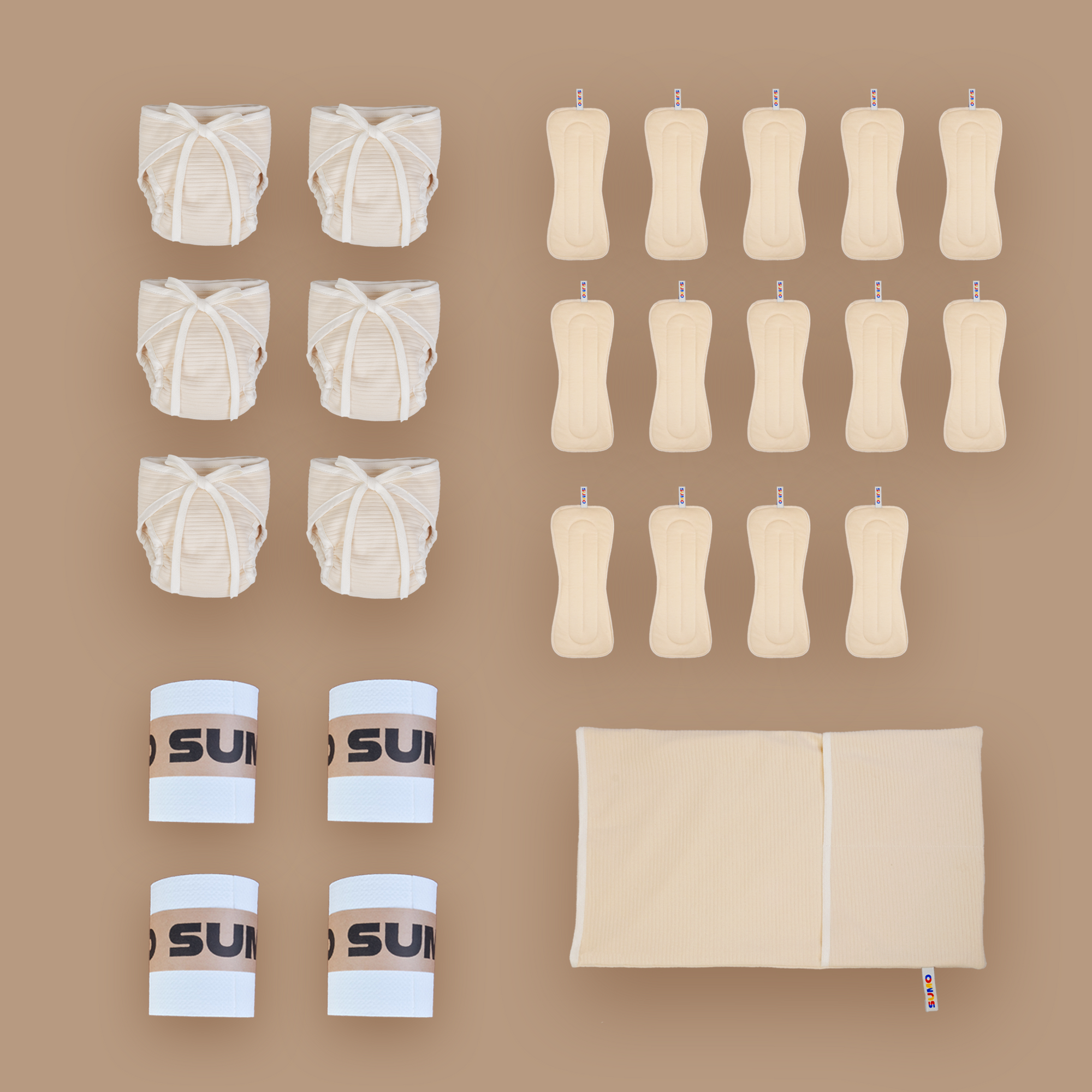
All parents must decide for themselves which diapers are best for them. Disposable and cloth diapers both have their advantages and disadvantages, which should be carefully considered before choosing one option.
95% of parents choose to use disposable diapers for their children because the used diaper can be disposed of easily and requires no additional work. However, a disadvantage of disposable diapers is that they generate enormous amounts of waste that is neither biodegradable nor recyclable – over a ton of waste per child. The first diaper ever used is probably still lying in a landfill somewhere on this planet, and your child's will likely have a similar fate.
Furthermore, the superabsorbent polymers in conventional disposable diapers cause dryness and diaper dermatitis, and often severely attack your child's mucous membranes , and are considered the main cause of labial adhesions in small babies.
Another aspect that argues against the use of disposable diapers is the cost. On average, disposable diapers cost around 31 cents each, which is quite affordable. However, considering that over 4,000 to 5,000 diapers are used per child, the cost can easily reach several thousand euros – just for diaper changes.
In contrast, cloth diapers cost relatively little, as €600 can be used to diaper a child until it is potty trained.
While the "regular" diaper is practical, it also has some disadvantages that should not be ignored.
As mentioned above, cloth diapers are in most cases considerably cheaper than the conventional diapers you would normally use with your child. In addition, there's the positive aspect of waste reduction: the ton of waste generated when changing your child's diapers is completely eliminated when cloth or muslin diapers are used. In this case, the amount of waste, which can even be recycled, amounts to a single-digit kilogram figure.
Using cloth diapers can sometimes be a bit more time-consuming, as you also have to wash the diapers in addition to changing them. However, since you can save yourself frequent trips to the drugstore and they're usually washed anyway, this isn't too much of a problem.
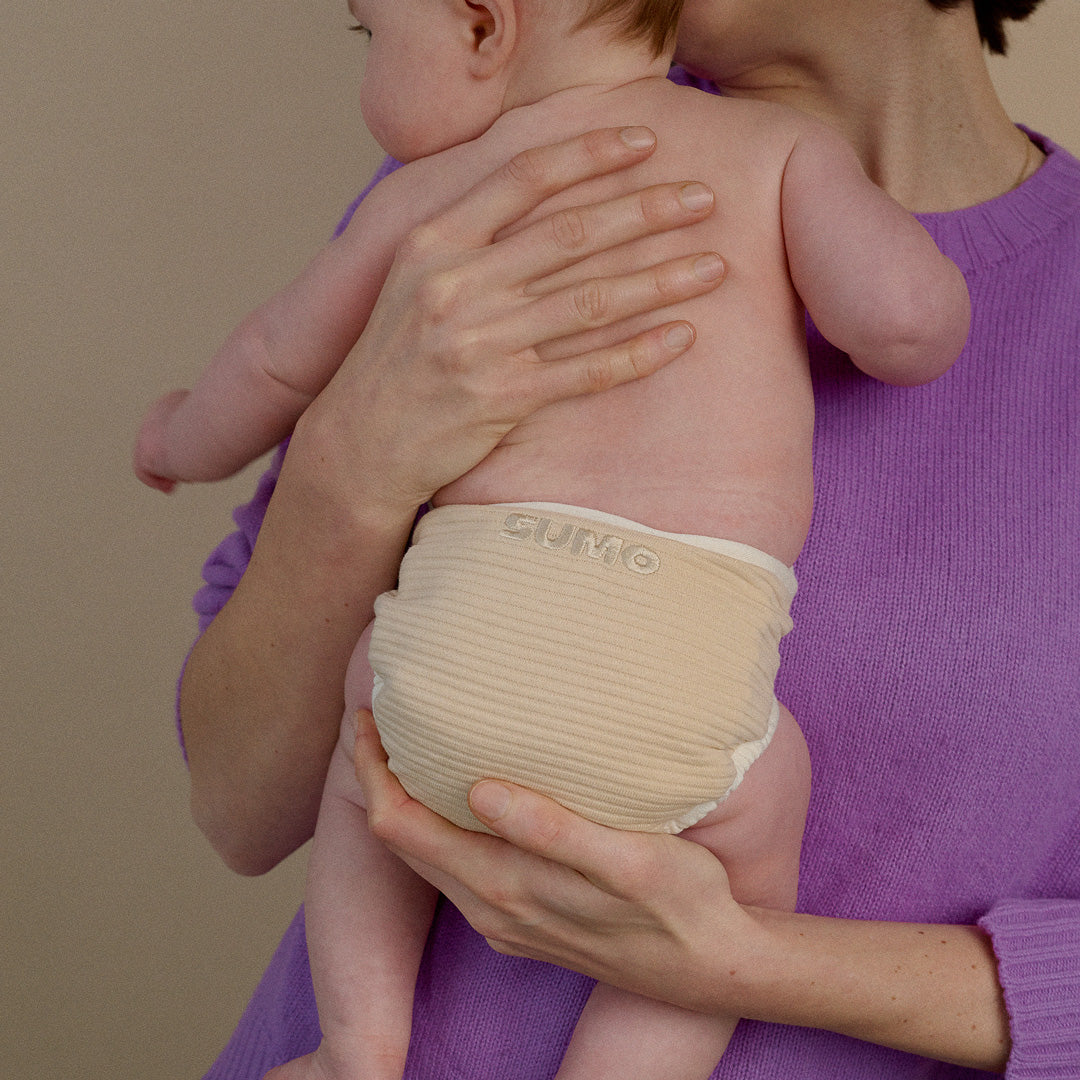
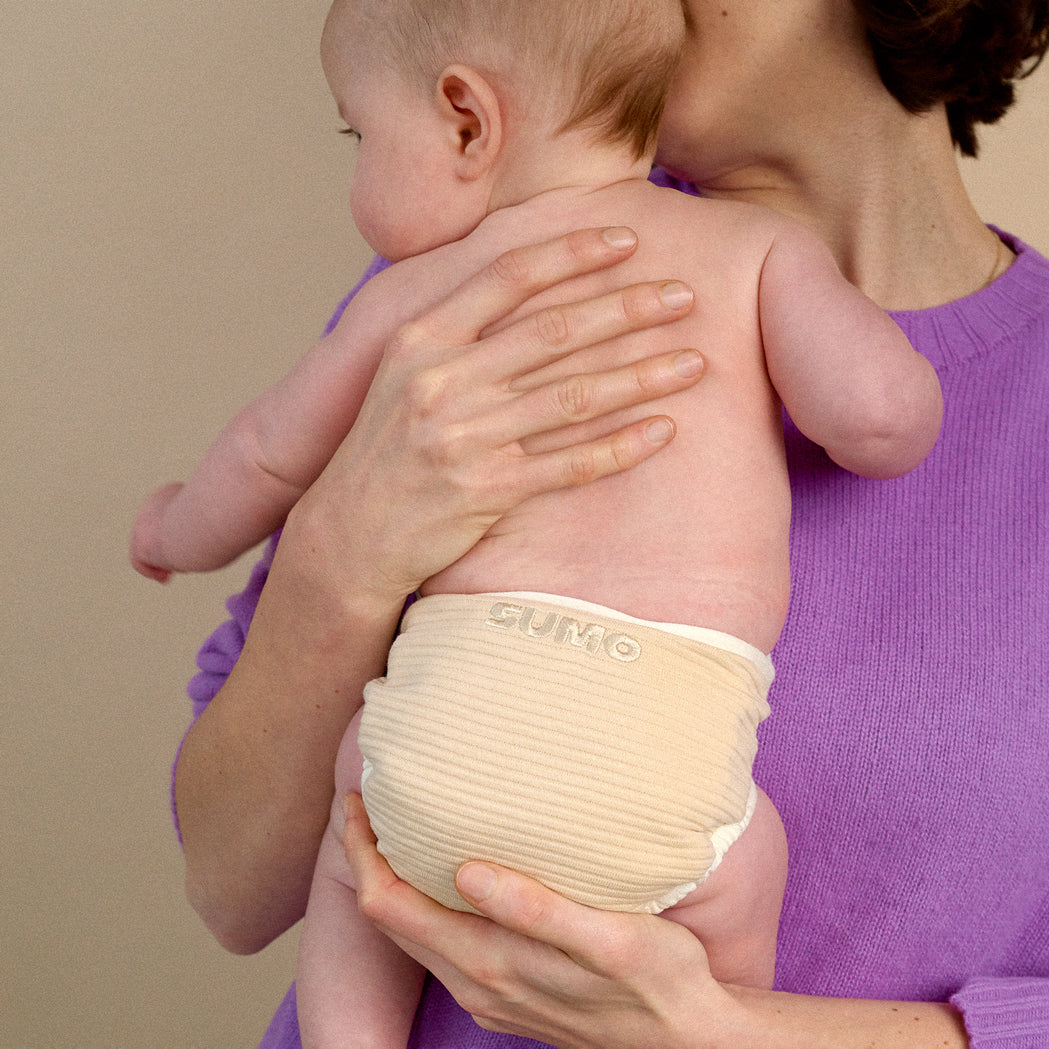
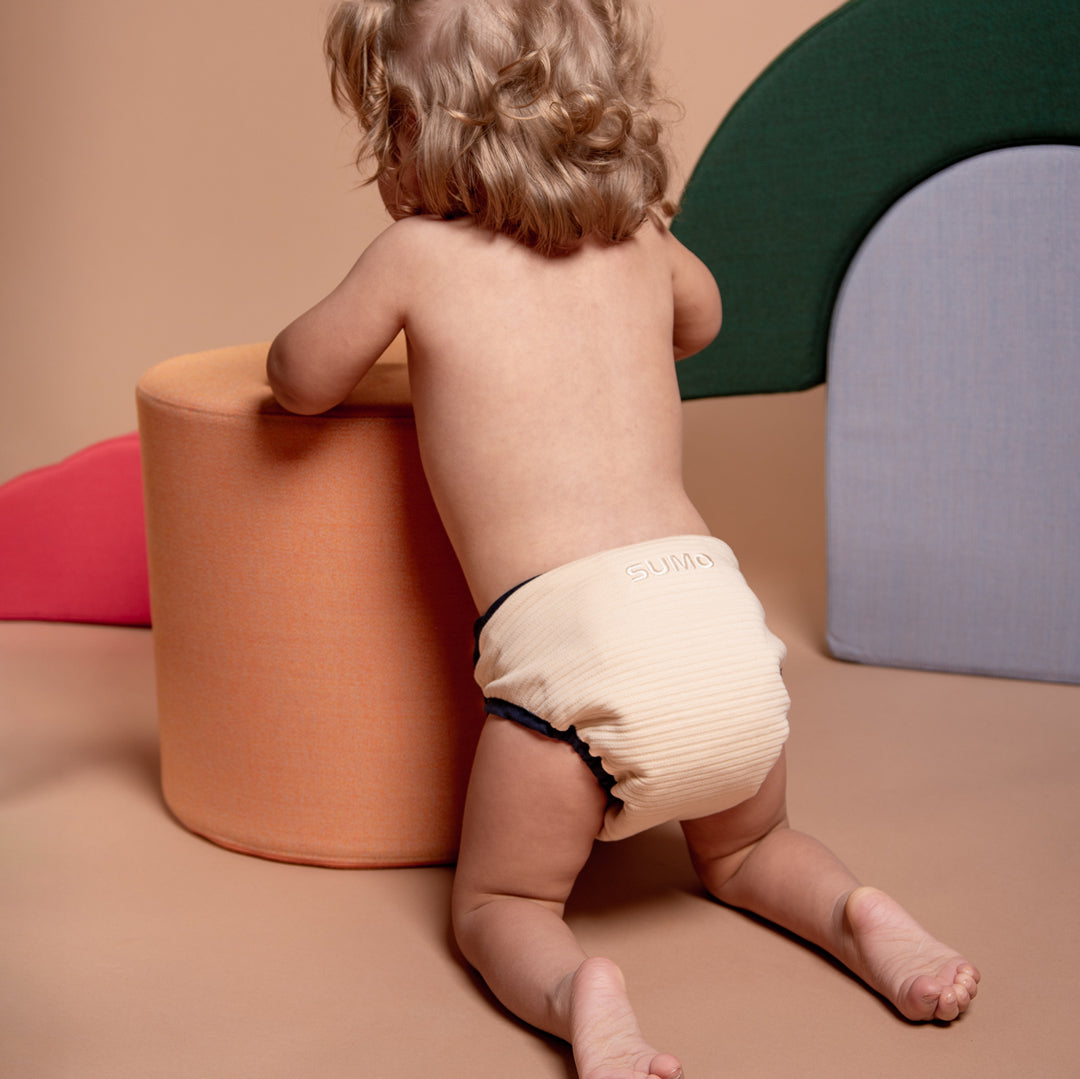
A regular cloth diaper will keep your child dry for 4-6 hours. Since that's not enough for a whole night, and we want you and your baby to have a relatively long and uninterrupted sleep, we'd like to recommend a cloth diaper.
For nighttime use, we recommend reinforcing the Sumo cloth diaper with the Fold muslin square as a booster to reduce the frequency of diaper changes. This should extend the diaper change interval to 8+ hours.
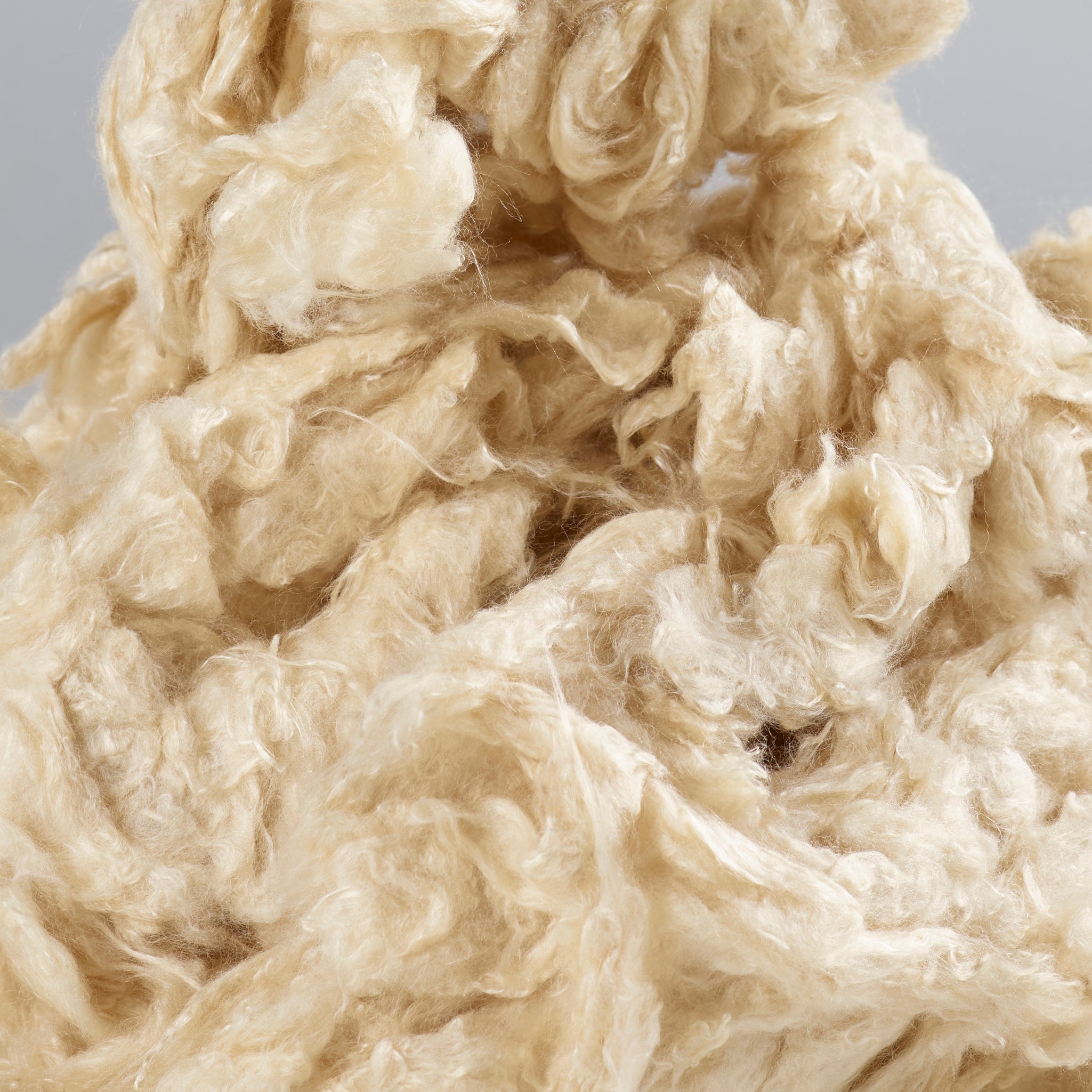
The design process begins with the fibers: SUMO products are made from our specially developed, innovative high-performance fabrics and were developed in collaboration with leading textile institutes in Portugal and Germany.
Our award-winning SUMOtex™ fabrics are particularly gentle on the skin, sustainable and at the same time extremely absorbent.
Only the best for your baby.
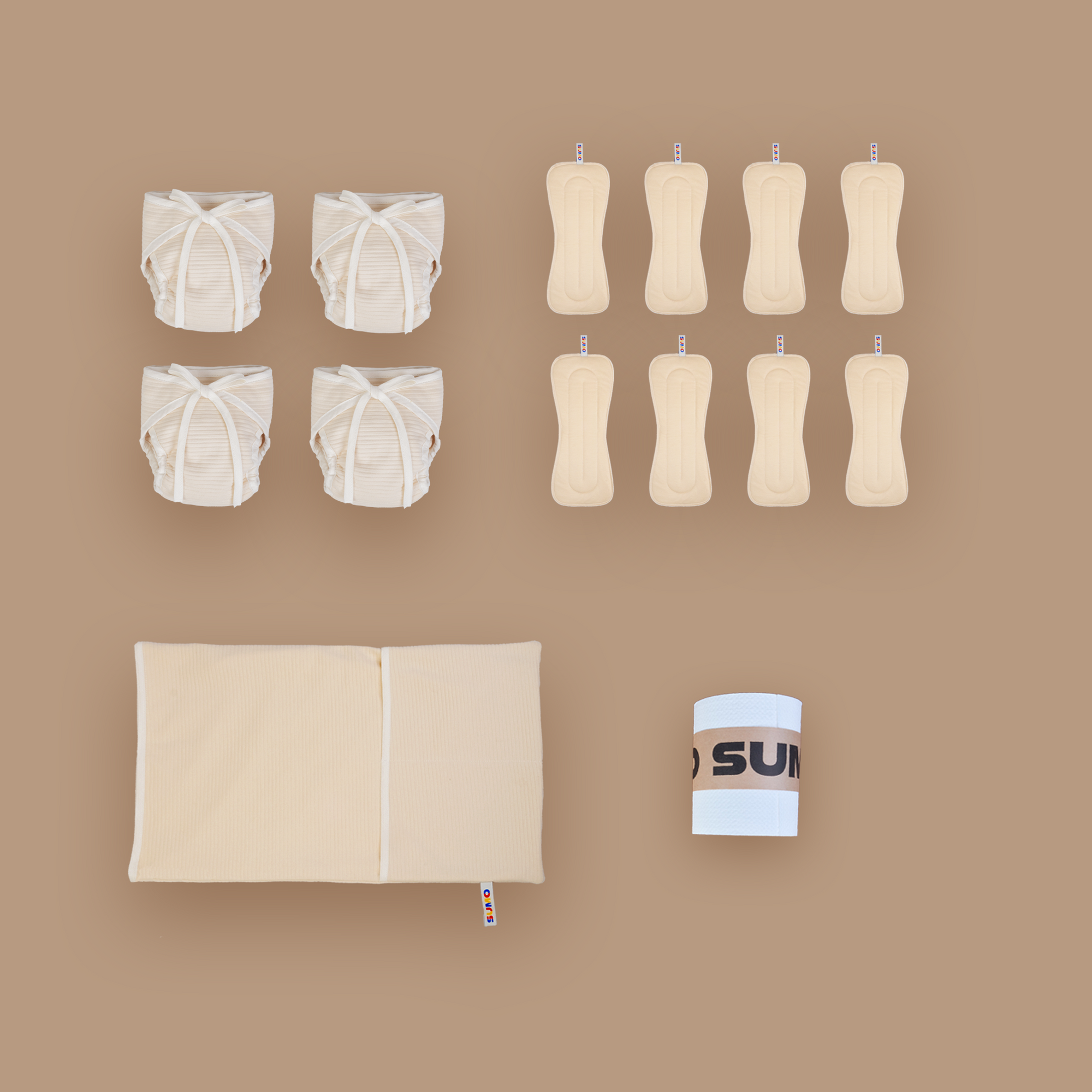
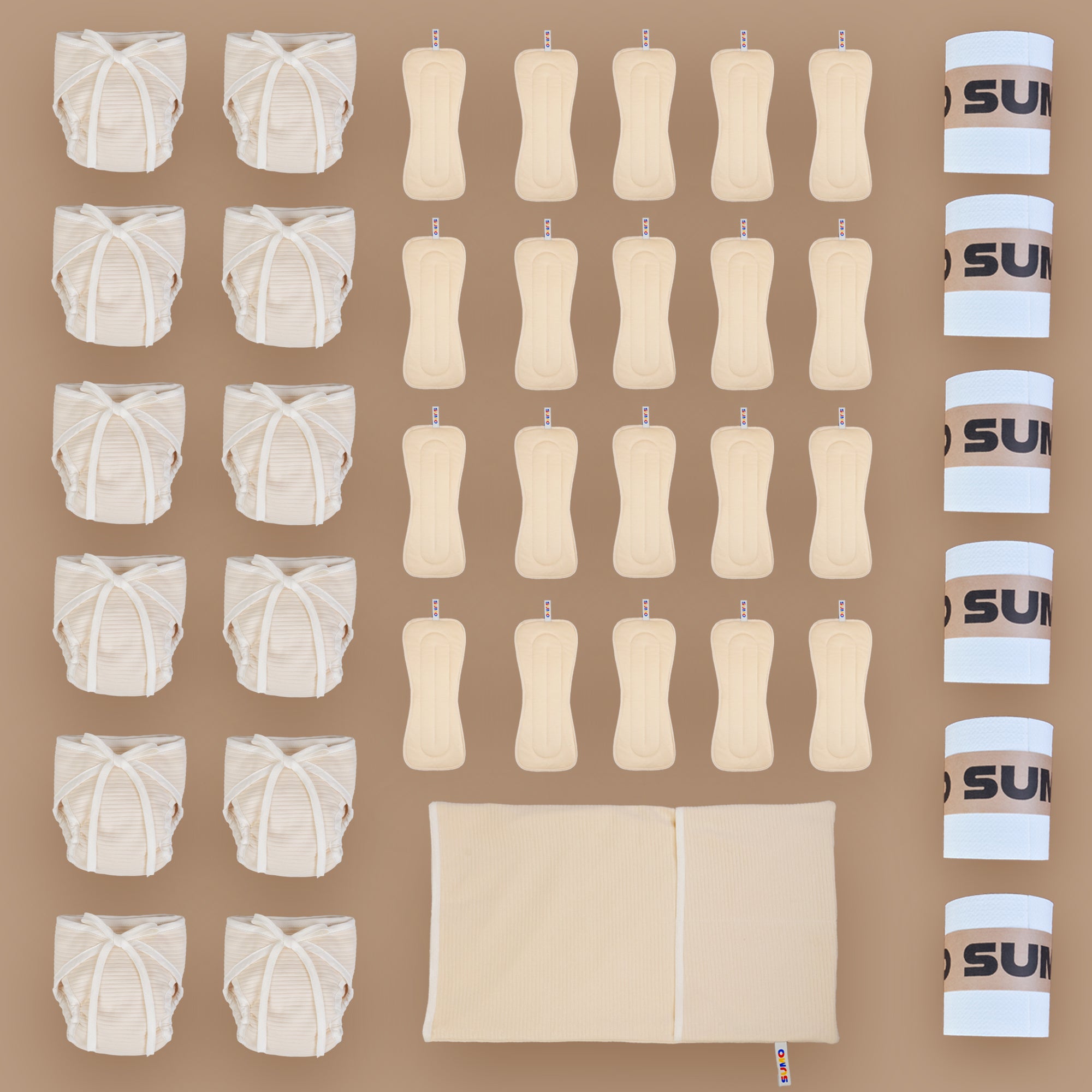
Cloth diapering has never been easier. Here we briefly explain what you need to get started:
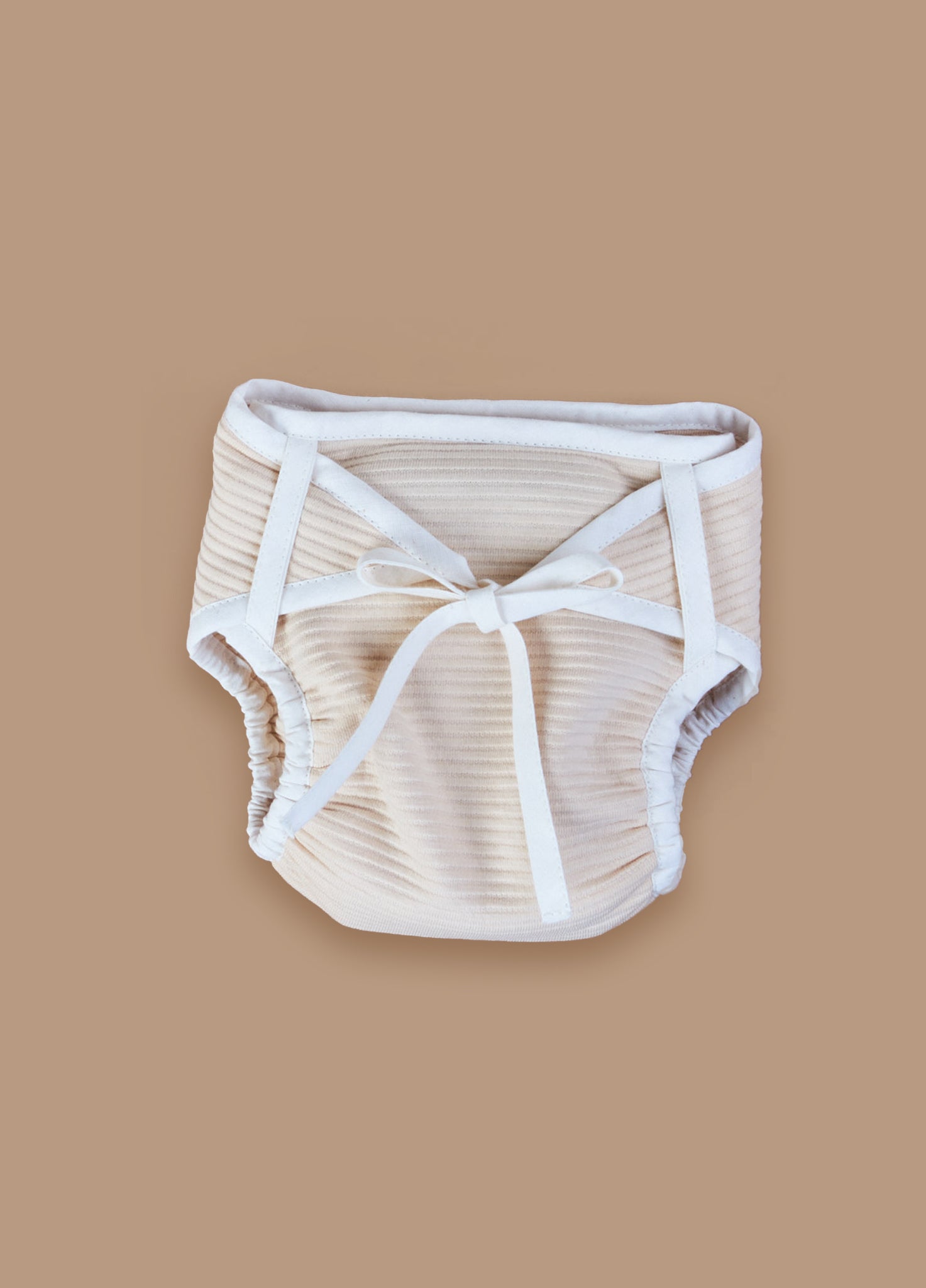
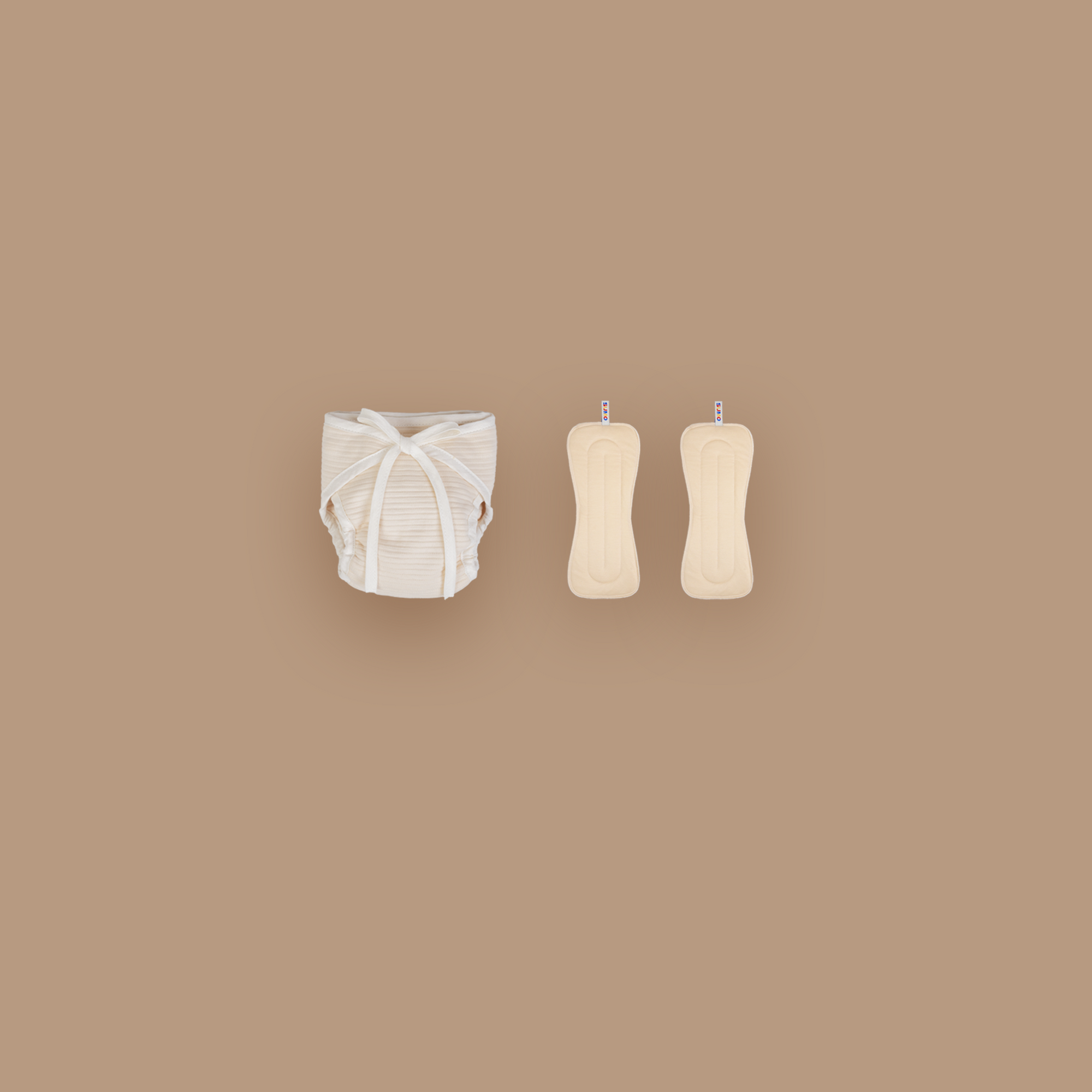
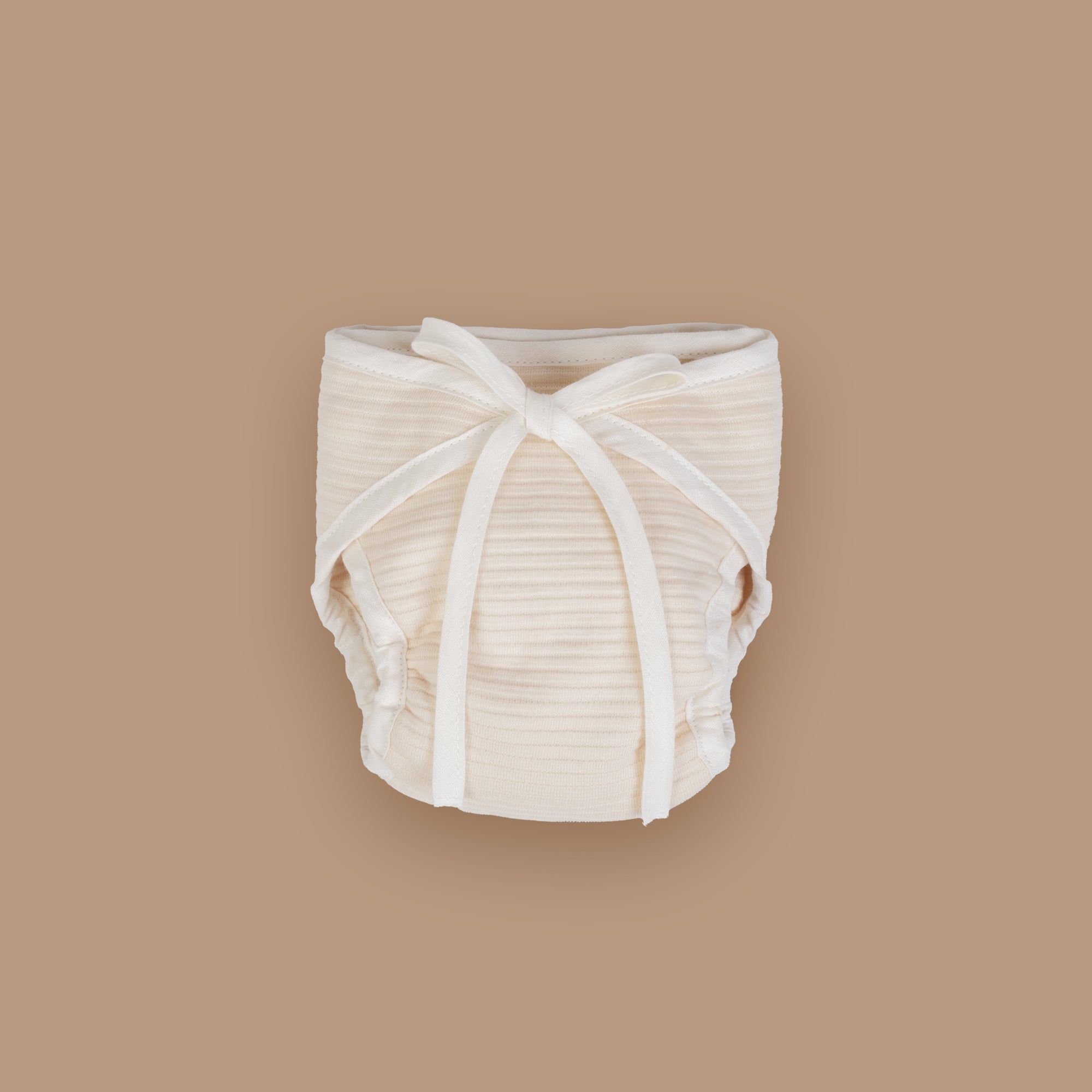
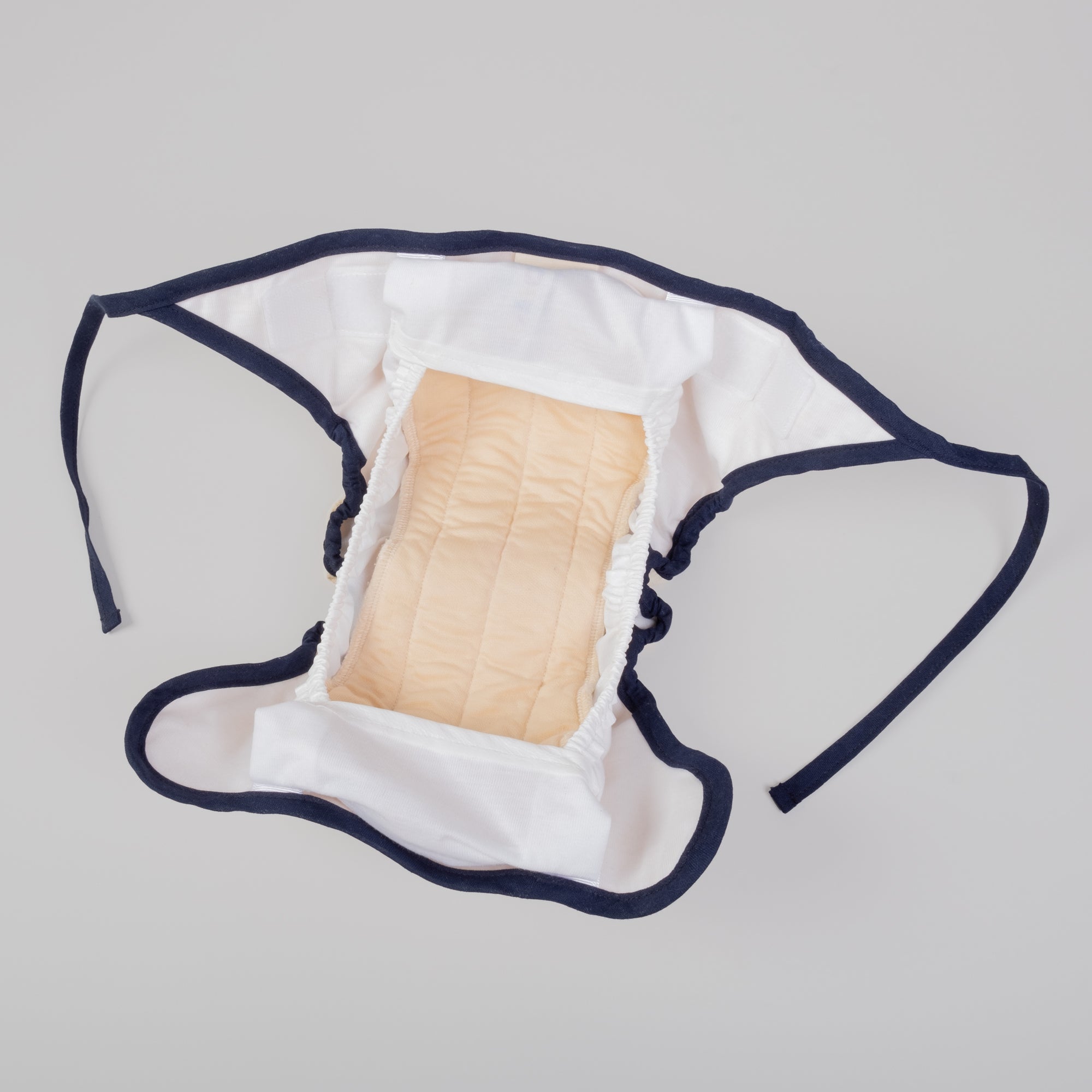
Step 1: Choose a SUMO cover - comes in 3 stylish colours and three sizes for the perfect fit!
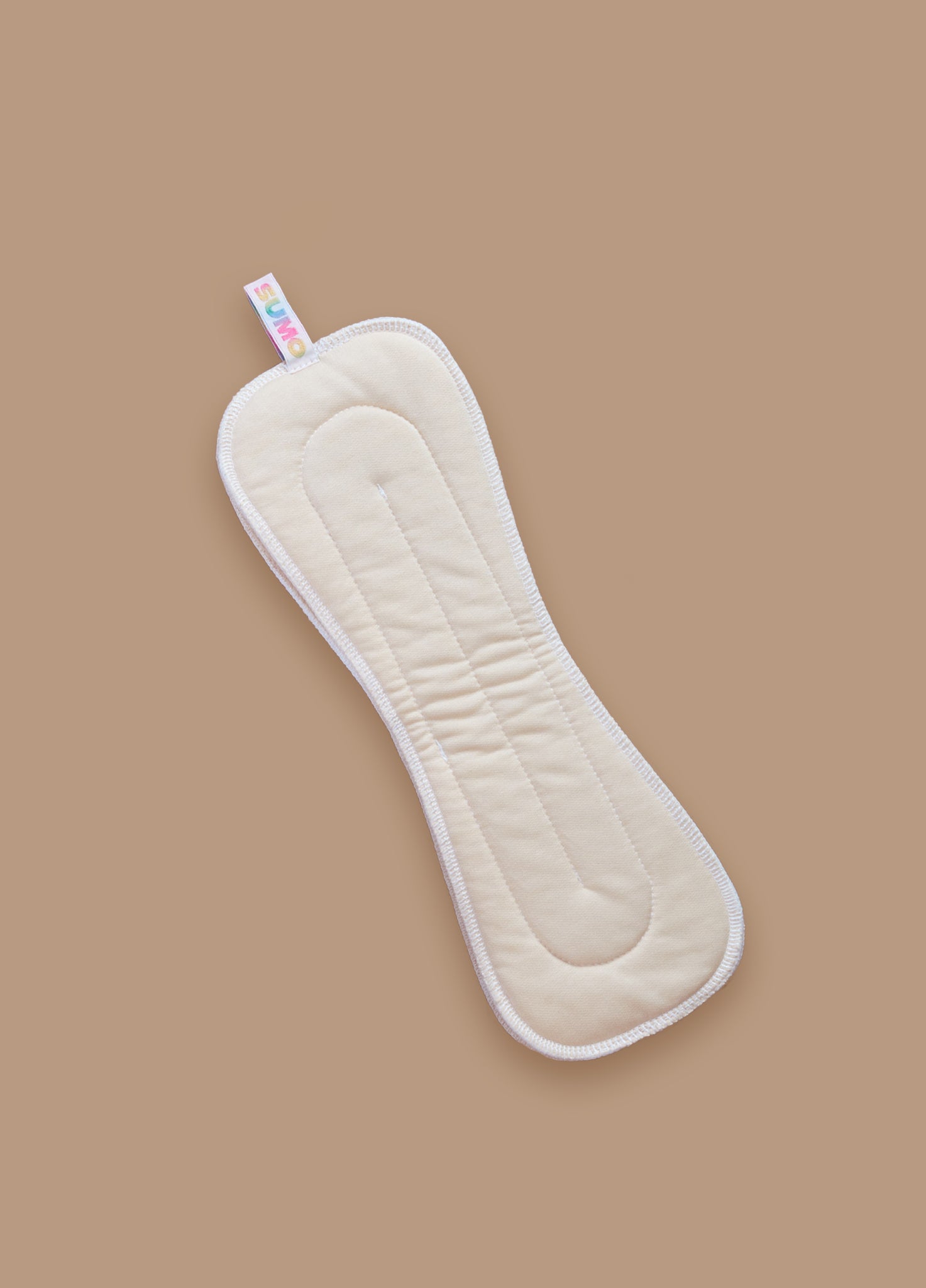
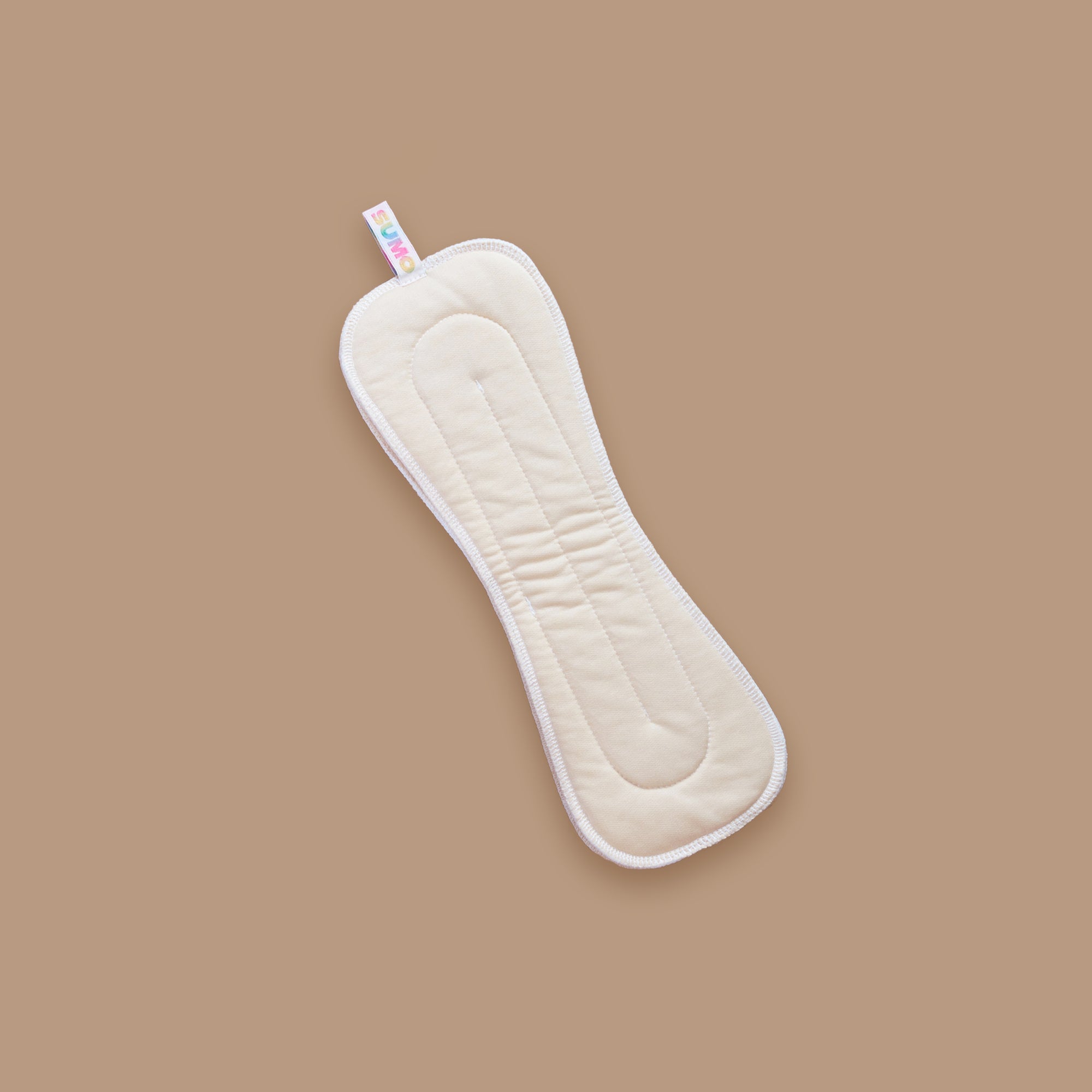
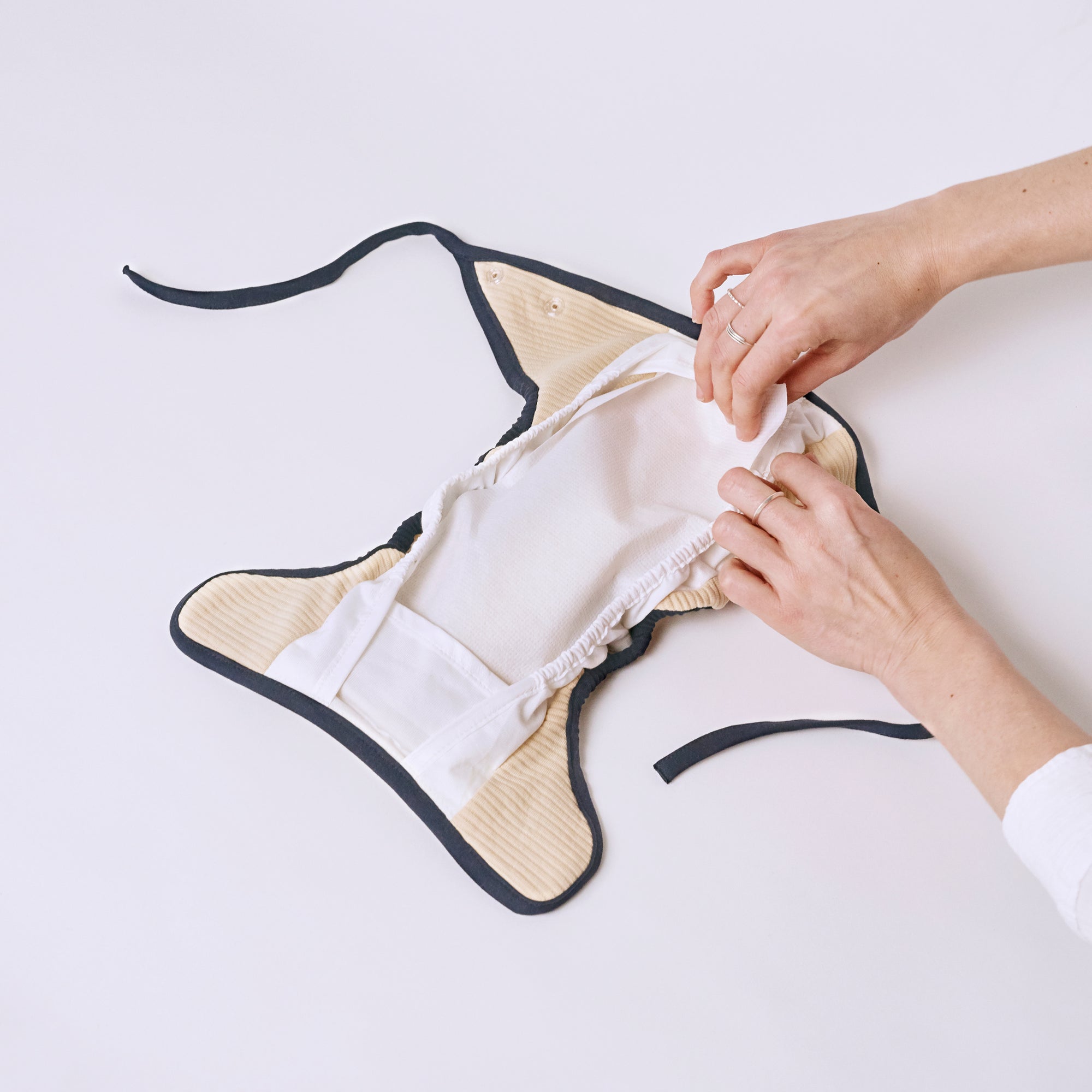
Step 2: Place our super absorbent UFO insert into the SUMO cover.
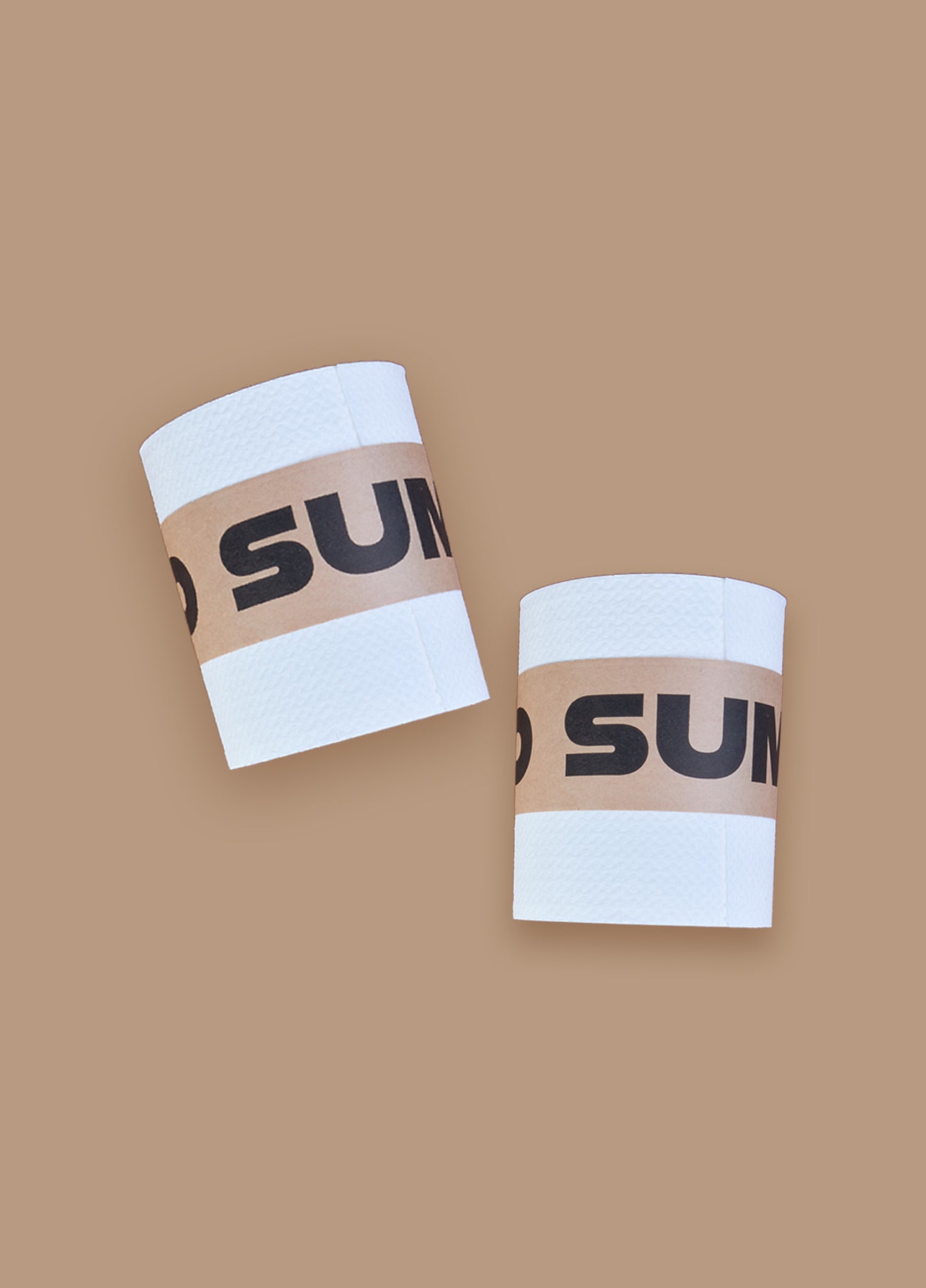
Step 3: Everyone always asks "Where to put the 💩?!"
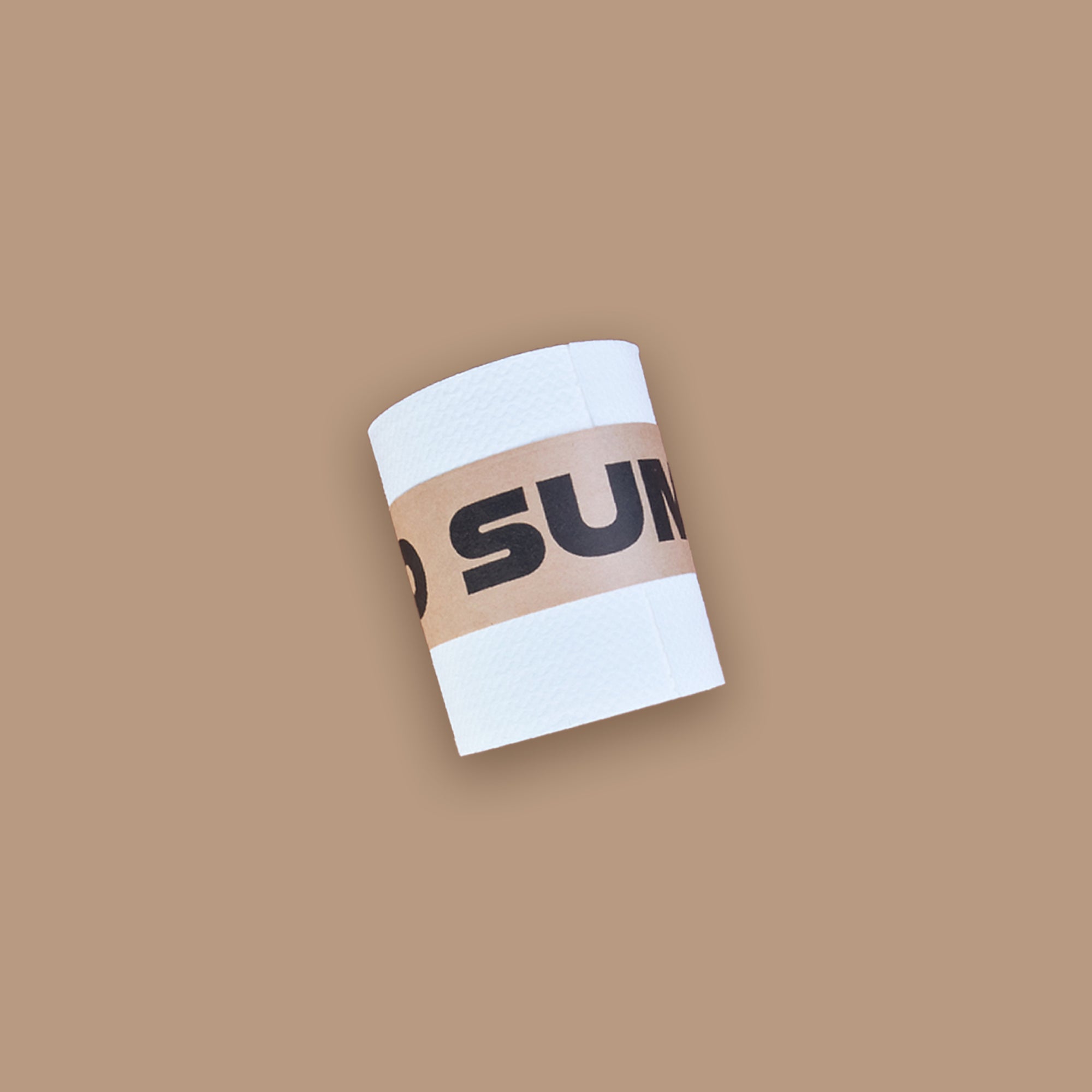
Easy - just lay a sheet of our Dreamliner fleece as the last layer catches the big business and is simply disposed of!
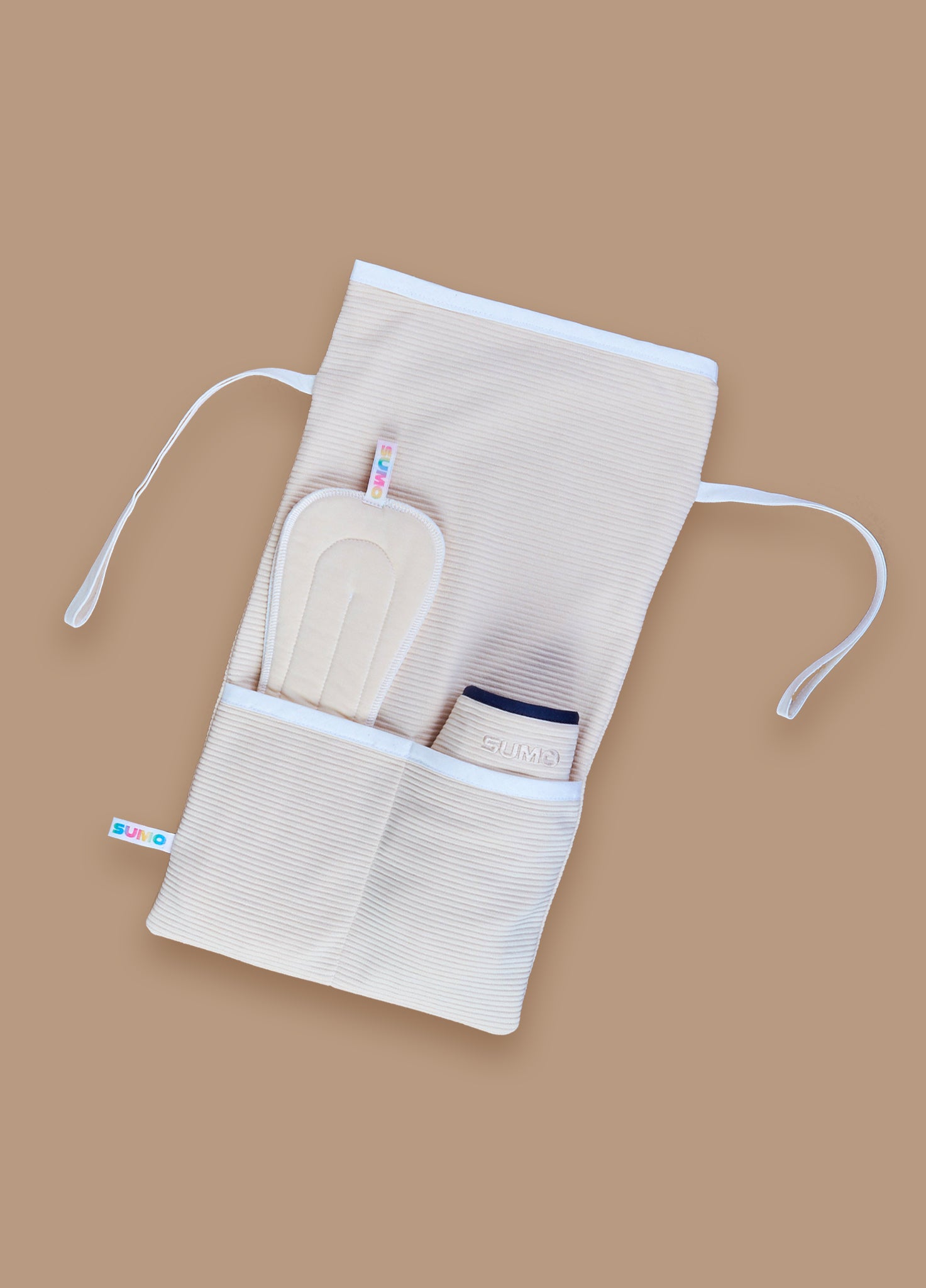
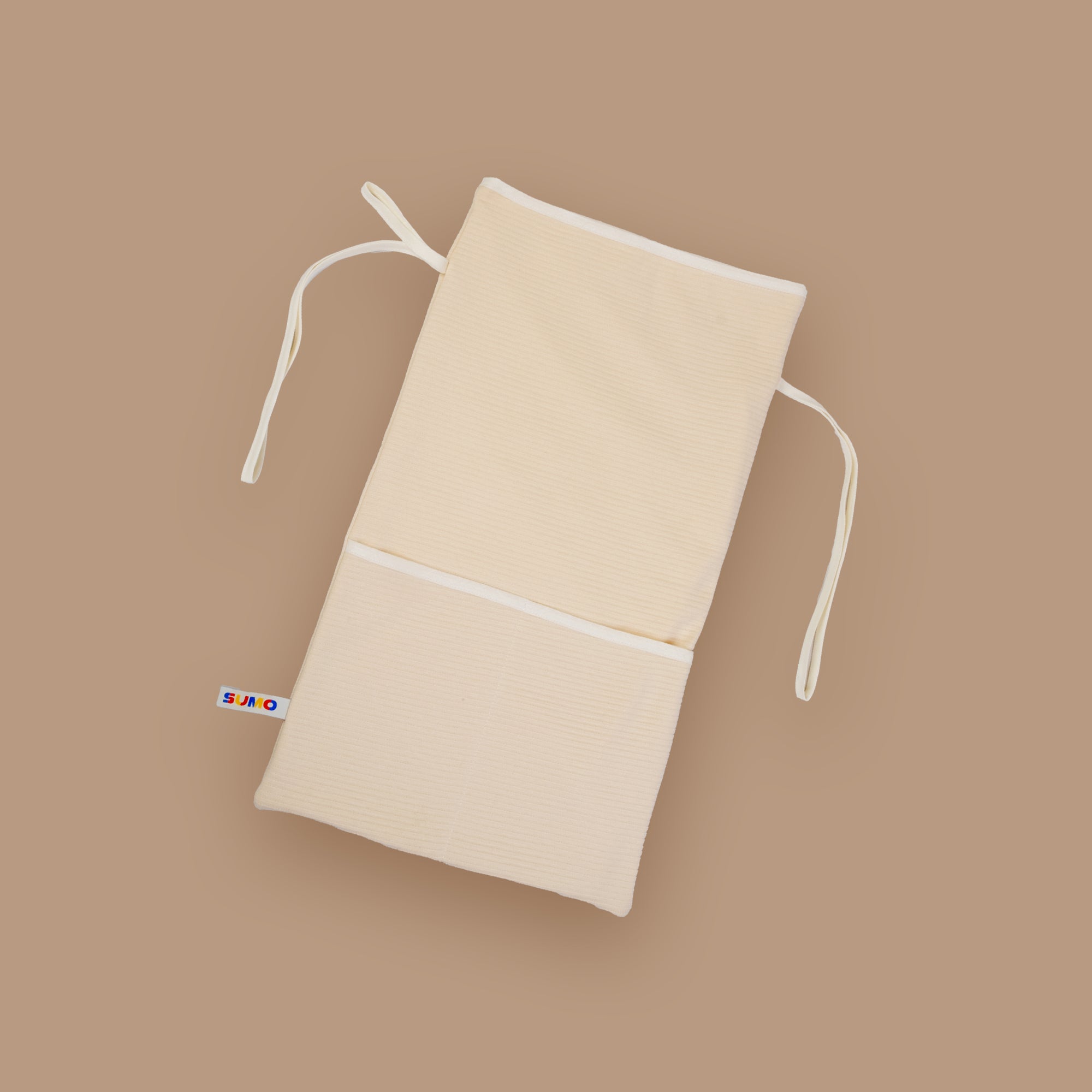
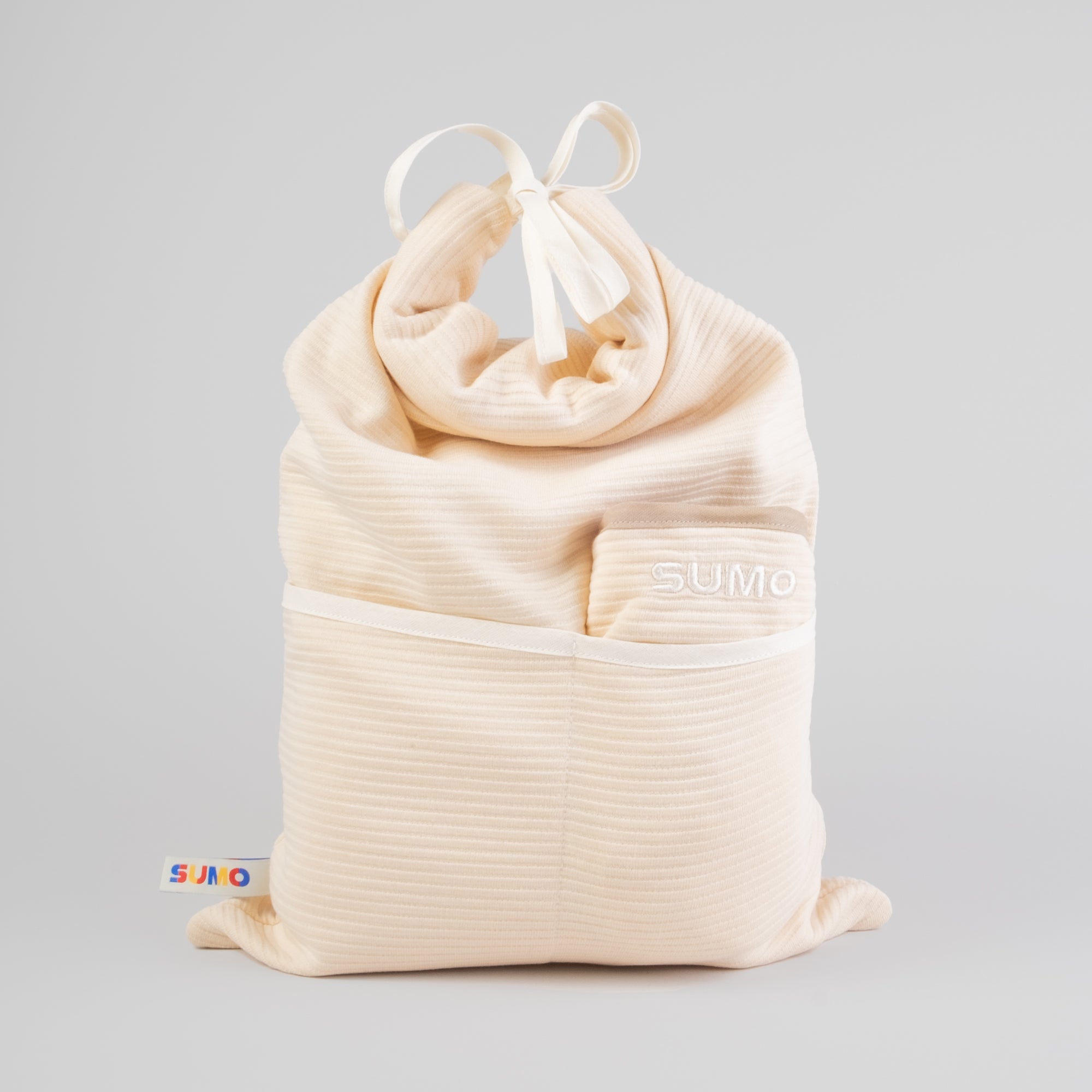
Step 4: Storing and washing your diapers is a breeze with our towable diaper bag . A popular essential for daycare, on the go, and at home!

and receive €10 off your first order!