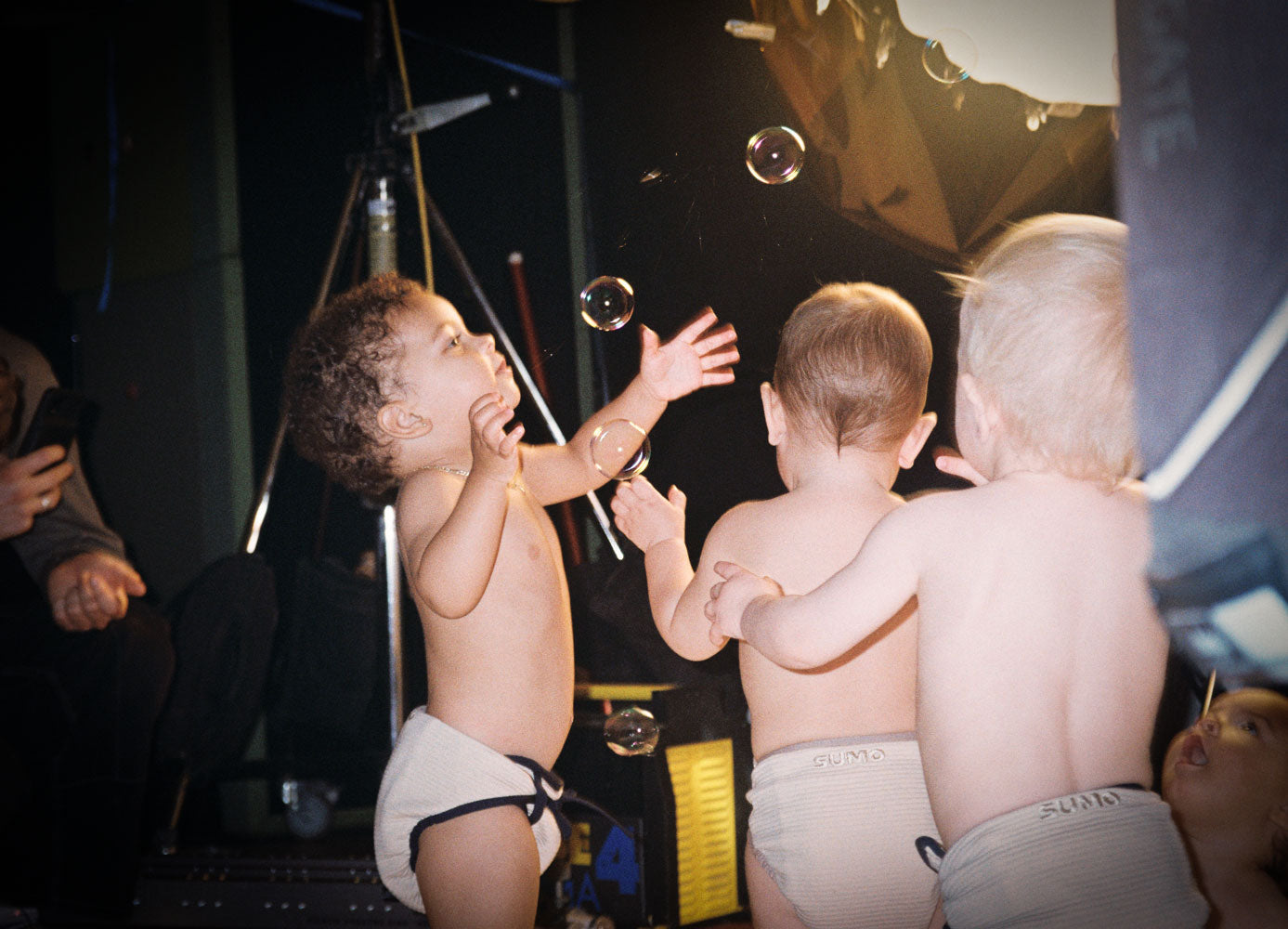
Are you expecting a baby or deep in the diapering routine, wondering: “What should I put on my baby’s skin day and night?” Many parents face this question—and every choice suddenly feels huge: hygienic, skin-friendly, sustainable, and practical for everyday life.
Disposable diapers are convenient and familiar, but cloth diapers are making a comeback. Modern systems like SUMO are easier and more comfortable to use than many think. They combine comfort, skin-friendliness, and sustainability, fitting seamlessly into a busy family routine.
In this article, you’ll discover how cloth and disposable diapers compare in costs, environmental impact, skin health, and everyday practicality, and why many families choose modern cloth diapers like SUMO for a balance of convenience and sustainability.
Reading time: 9 minutes
1. Key Takeaway: Why This Decision Matters
Cloth diapers save money over time, reduce waste, and are often gentler on your baby’s skin than disposable diapers, which can contain chemical additives. Modern systems like SUMO combine comfort, functionality, and sustainability—and are now easy to use in a busy family routine.
Choosing the right diaper affects more than just convenience: it influences your monthly expenses, your baby’s skin health, household waste, and daily routines. What used to seem complicated with cloth diapers is now intuitive, hygienic, and practical for everyday life.
2. Cost Comparison: Cloth vs. Disposable Diapers
Cloth diapers may cost more upfront, but they save money in the long run. Many parents underestimate the financial difference between disposable and cloth systems.
Disposable Diapers
-
Average 5,000–6,000 diapers per child
-
Approx. €30–60 per month
-
Total cost until potty training: €1,500–2,500 or more
-
Prices often increase depending on brand
Cloth Diapers (SUMO Example)
-
About 20–25 diapers + 15–25 inserts
-
One-time investment: €400–700
-
Washing costs per month: €5–10
-
Total cost until potty training: €600–1,000
Takeaway: Modern cloth diapers like SUMO can save €800 or more per child. They “grow” with your baby over several months and can be reused for siblings, offering significant long-term savings and supporting a more sustainable lifestyle.
Tip: Passing cloth diapers to a younger sibling or friends further maximizes your savings and reduces waste.
3. Environmental Impact: How Big Is the Difference?
Disposable diapers are single-use products. Each one ends up in the trash within hours and can persist for hundreds of years. According to the German Federal Environment Ministry, a child generates about 1–1.5 tons of diaper waste in the first years.
Disposable Diapers
-
1–1.5 tons of waste per child
-
Hardly recyclable
-
Microplastic particles in multiple components
-
CO₂ emissions from raw materials, production, and transport
Cloth Diapers (SUMO Example)
-
One-time production effort
-
Virtually no waste during use (except for disposable liners)
-
100% reusable
-
Long lifespan, often across multiple children
Washing cloth diapers does require water and energy, but over the full lifecycle, they are significantly more climate-friendly than disposables. Using renewable electricity reduces the environmental footprint even further.
The Waste Mountain:
One child produces about one ton of waste with disposable diapers—that’s roughly 10% of a household’s total waste. Most disposables consist of plastics and superabsorbent polymers, taking 300–500 years to decompose. They cannot be recycled and end up in landfills or incinerators.
Cloth diapers, on the other hand, produce almost no waste. After the diapering years, they can be resold, passed on, or repurposed as cleaning cloths.
Important Note: So-called "eco-diapers" or compostable disposables often aren’t as environmentally friendly as advertised. They still go to regular trash and cannot be composted at home.
Water and Energy Use:
A common concern: “Cloth diapers use a lot of water, right?”
-
Cloth diapers: ~13 gallons per wash load; 2–3 loads per week → 2,000–3,000 gallons total over diapering period.
-
Disposable diapers: Manufacturing alone consumes ~37 gallons of water per diaper → 5,000 diapers = 185,000 gallons.
Even with washing, cloth diapers are far more resource-efficient than disposable options.
4. Skin Health: What’s Better For Your Baby?
Babies wear diapers day and night for months. Everything that touches their skin affects comfort, well-being, and skin health. Modern cloth diapers are made from materials that feel gentle on the skin and minimize chemical additives.
Disposable Diapers
-
Often contain superabsorbents (SAP) made from petrochemical plastics
-
Some brands may include fragrances or lotions
-
Limited breathability
-
Can cause redness or eczema in sensitive skin
Cloth Diapers (SUMO Example)
-
Breathable lyocell & organic cotton
-
Antibacterial SmartCell™ (lyocell + pharmaceutical-grade zinc)
-
Absorbent UFO inserts made from cellulose fibers
-
Free of irritants
-
Naturally antibacterial and odor-resistant
-
Excellent moisture regulation
The "Chemicals" Argument
Disposable diapers contain superabsorbent polymers (SAP), bleaching agents, and often fragrances. While generally considered safe, some babies react sensitively to them.
Cloth diapers made from certified organic cotton (e.g., GOTS) are free of these additives and especially gentle on delicate skin. For those who want to play it safe, choosing certified materials ensures high-quality, skin-friendly protection.
Conclusion:
Many parents report that their babies experience far fewer skin problems with cloth diapers—sometimes none at all. SUMO cloth diapers are made from breathable, antibacterial high-tech materials, with a soft, natural feel, specifically designed for sensitive baby skin.
Free of irritating chemicals, they help prevent skin irritations and eczema. The innovative SmartCell™ liner with pharmaceutical-grade zinc fights bacteria and odors, while soft organic cotton and lyocell fibers provide a natural, comfortable feel and ensure comfort. This makes diapering a gentle, tactile experience for both your baby and you.
6. Daily Life: What’s Really Easier?
Many parents assume cloth diapers are a lot more work. In reality, modern cloth systems have become a normal part of everyday life—just like doing laundry.
Let’s be honest: we don’t throw away our underwear every evening out of convenience—we wash it. Fabric means washing, not throwing away. And that’s less effort than it sounds, saves waste, and ultimately money.
Disposable Diapers
-
Convenient on the go
-
Quick to change
-
But: full trash bags, unpleasant odors, constant repurchasing
Cloth Diapers Today
-
Easy to put on like a normal diaper
-
Adjustable with snaps for longer use
-
Diaper liners simplify stool removal
-
Wash at 60 °C with regular detergent
-
No emergency “We’re out of diapers!”
-
Leak-proof and stable on the go
| Criterion | Disposable Diapers | Cloth Diapers (SUMO) | Recommendation |
|---|---|---|---|
| Cost (3 years) | €1,500–2,500 | €600–1,000 | Cloth diapers |
| Time per change | ~2 min | ~6 min including washing every 2–3 days | Disposable for quick handling |
| Environmental impact | ~1–1.5 t waste | 0–5 kg (incl. liner) | Cloth diapers |
| Skin friendliness | Medium | Very good | Cloth diapers |
| Portability | High | Medium | Disposable on the go |
| Absorbency | 3–5 h | 4–6 h (booster possible) | Situational |
Note: Values are averages and may vary depending on usage and brand.
Cloth Diapers: Learning Curve Pays Off
Modern cloth diapers like the SUMO system have little in common with the complicated cloth diapers of the past. They typically consist of a waterproof cover and absorbent inserts—and are just as easy to use as disposables.
Advantages:
Advantages:
- No restocking worries (buy once, done)
- Nicely designed and color variety
- Adjustable sizing (S, M, L) reduces the need for new sizes
- Soft, natural materials on baby's skin
- No waste
Disadvantages:
- Initial investment
- Washing every 2-3 days necessary (but can be washed with other laundry)
- Slightly more effort when out (bring wet bag)
- Small learning curve at the beginning
TIP: With a SUMO Tester Set, you can try cloth diapers before committing to a full system.
The Washing Effort—Realistically
Most cloth diaper families wash two to three times per week. That may sound like a lot, but in practice it’s simpler than expected:
- Store used diapers in a wet bag
- Run washing machine every 2-3 days
- Hang to dry
- Done
You can wash cloth diapers together with towels, dishcloths, or baby clothes—no extra load required.
Mixing Cloth And Disposable Is Totally Fine.
Many families don’t choose just one system—they combine both depending on the situation.
Cloth diapers at home and during the day, disposables at night or on the go is a common and practical approach.
This flexibility makes it easier to get started and find a routine that truly fits your everyday life. And over time, you’ll likely find yourself appreciating every moment you choose cloth—reducing waste without adding stress.
7. Modern Cloth Diapers Today: How SUMO Changes Diapering
The outdated image of complicated folding, bulky fits, and messy routines is a thing of the past. Modern cloth diapers are functional, reusable, and surprisingly easy to handle in everyday life.
Systems like SUMO combine thoughtful design with comfort and performance. Slim, form-fitting, and easy to use, they fit comfortably under regular baby clothes and allow full freedom of movement.
At the same time, high-quality materials and smart features ensure reliable absorbency, skin-friendliness, and a comfortable wearing experience. The result: diapering that not only works in practice, but actually feels good—for both baby and parent.
8. Frequently Asked Questions
Are cloth diapers hygienic?
Yes. Modern cloth diapers are perfectly hygienic when washed at 40–60 °C and stored in a breathable wet bag. They stay clean and odor-free even with daily use.
Do cloth diapers smell?
No, not if you follow a proper routine. Dirty diapers go into a wet bag and are washed every 2–3 days, preventing odors unlike disposable diaper pails.
Do cloth diapers require more work?
Less than expected. Washing every 2–3 days is enough, and diapers can be washed together with towels, baby clothes, or other laundry.
How do I wash cloth diapers?
Wash at 40–60 °C with regular detergent, no fabric softeners, air dry. Liners can be removed for easier washing.
How many cloth diapers do I need per day?
Typically 6–8 inserts with 3–6 covers, depending on your baby’s age and frequency of changes.
Can cloth diapers be used at night?
Yes, with extra inserts or boosters for longer absorption.
How absorbent are cloth diapers?
Several hours, depending on inserts and boosters. SUMO diapers allow layering for nighttime or heavy wetters.
How do I handle poop?
Breastfed babies’ poop is water-soluble and washes away easily. For solid food, shake the solid parts into the toilet. Using liners (like fleece or Dreamliner) makes cleanup simpler.
Are cloth diapers travel-friendly?
Yes, as long as washing facilities are available. A wet bag makes transport easy, and disposable backups can be used for longer trips.
Are cloth diapers suitable for newborns?
Yes. Modern systems like SUMO offer Size S for newborns from 7 lbs, allowing safe and comfortable use from birth.
Are cloth diapers cheaper?
Yes. One child can save around $1,000–1,500, and two children up to $4,500, thanks to reusability and long lifespan.
How long do cloth diapers last?
Many years, often across multiple children. Well-maintained diapers can also be resold or passed on, making them a long-term investment.
Can I buy used cloth diapers?
Absolutely. Well-maintained cloth diapers can have many years of use left, with resale value often 50–70 % of the new price.
Are disposable diapers safe?
They often contain chemical additives and are less breathable.
9. Conclusion: Which Diaper Is Right for You?
Both systems work. Disposable diapers are convenient and quick. Cloth diapers are more sustainable, cost-effective in the long run, and often much gentler on the skin. SUMO combines these advantages with modern, high-performance materials and an easy-to-use system.
If you’re looking for a solution that feels good—for your baby, for your family, and for the environment—it’s worth trying cloth diapers. You might be surprised how simple modern diapering can be. Go for it!
10. Sources
- Changing Diapers (AAP / HealthyChildren.org, 2024)
- The Environmental Impact of Disposable Diapers (EPA, 2024)
- Cloth Diapers vs. Disposables: What's Best? (What to Expect, 2024)
- Diaper Cost Calculator (BabyCenter, 2024)
- Kreislaufwirtschaft Bundesumweltministerium (German Source)
Related articles
- → Washcloths vs. wet wipes: a sustainable and skin-friendly alternative
- → Treating diaper dermatitis: How to get your baby's sore bottom back to health quickly
→ Sensitive Baby Skin: Common Causes, Gentle Care & What Really Helps
Legal Notice:
This article has been carefully researched and created to the best of our knowledge. It is for general information purposes only and does not replace professional medical or specialist advice. For health-related questions, please consult professionals (e.g., pediatricians or midwives).
No Warranty:
We do not guarantee the completeness, accuracy, or timeliness of the content. Medical findings and recommendations may change.
Product Information:
Products are selected according to transparent criteria. The final decision is yours. Some links may lead to our own products (advertising).
External Links:
We are not responsible for the content of external websites.